Introduction to Aerial Tours of London

Welcome to the skies above London, where breathtaking aerial tours offer an unprecedented perspective of this historically-rich capital. In the safety and comfort of state-of-the-art aircraft, you will witness the sprawling grandeur of the city in a way that few have. Soar above iconic landmarks such as the Houses of Parliament, the majestic Tower Bridge, and the royal Buckingham Palace. As you marvel at these sights, imagine the view from a luxurious stay at the trafalgar hotel. Located strategically in the heart of London, this exquisite hotel offers visitors the chance to explore the city's heritage after their sky-high adventure. Experience London's majesty in a wholly unique way, creating memories that will last a lifetime. From the moment you take off until you touch down, the city's tapestry of history, culture, and endless charm unfolds beneath you.
The Thrill of the Zeppelin Experience
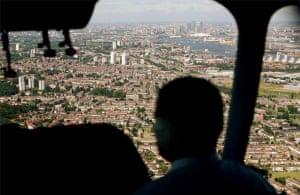
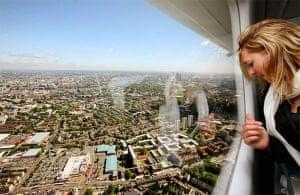
Embark on a journey back in time as you ascend London's skyline aboard a luxurious Zeppelin. Feel the excitement as you glide silently above the River Thames and circle historical edifices. The Zeppelin's panoramic windows offer unobstructed views and opportunities for splendid photography, bringing the city's stories to life from a peaceful vantage point far removed from the bustling city streets.
As the Zeppelin hovers tranquilly, knowledgeable guides share captivating tales of London's past and present. The experience is both serene and exhilarating, combining the elegance of bygone air travel with modern advancements in safety and comfort. Passengers can revel in the romance of the skies, savoring fine dining and champagne, as they admire the city's sprawling tapestry from above.
How Airship Tours are Revolutionizing Sightseeing
Airship tours are ushering in a new era of sightseeing, offering eco-friendly travel options that minimally impact the environment. These tours give an all-encompassing look at London's architectural marvels, green parks, and meandering waterways without the noise and emissions associated with traditional aircraft.
Why Choose an Airship Tour?
Feature | Benefit |
|---|---|
Quieter Engines | Reduces noise pollution for a more peaceful experience. |
Lower Altitude Flight | Provides detailed views of the city's landmarks. |
Less Turbulent | Ensures a smoother ride, suitable for all ages. |
Eco-friendly | Lesser environmental footprint compared to traditional flights. |
Spacious Cabins | Offers luxurious comfort and room to move around during the tour. |
Whether you're a first-time visitor or a Londoner curious to see the city from a fresh perspective, aerial tours by airship promise an extraordinary adventure. With the added ability to take off and land vertically, airships have the unique capability to depart from and arrive back in central London, making the experience all the more accessible for everyone.
The Historical Evolution of Airship Travel
From Early Flight to Modern Leisure
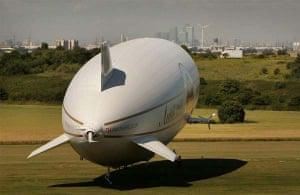
The story of airship travel is one of astonishing technological advancements and romanticized adventure. The journey from the early dirigibles of the 19th century to the sleek, luxury cruise airships of today is marked by both triumphs and tribulations. Initially, airships served as a novel means for skyward exploration, navigating above cities and across continents. Over time, they have evolved into a symbol of elegance and leisure, providing a unique vantage point of the earth below.
The foundation of airship travel was laid down with the inventiveness of pioneers like Count Ferdinand von Zeppelin. His rigid airship design, characterized by a steel framework covered in fabric, dominated the skies in the early 1900s. While these early zeppelins were marred by tragedies, they played a significant role during World War I, marked a new era in postal service, and even transatlantic passenger travel.
The hindenburg disaster of 1937, while a catastrophic setback, did not end the dream of airship aviation. In the 21st century, advancements in technology and materials have ushered in a new age for airships. Current models emphasize safety, comfort, and eco-friendliness, offering a serene travel experience that commercial jets can hardly rival.
Airships in London's Skyline: A Retrospective
London's storied skyline has been graced by the presence of airships for over a century. The city has witnessed airships evolve from floating behemoths of the industrial age to the serene, streamlined vessels of today. The history of airships over London is not just about the machines themselves, but also about the people and events they've silently observed from above.
The table below provides a glimpse into some of the most notable appearances of airships over London through the years.
Year | Event/Airship | Significance | Duration of Appearance |
|---|---|---|---|
1915 | WWI Zeppelins | First military use over London skies | Intermittent throughout the year |
1921 | R34 Airship | First East-West transatlantic flight landing | Several hours |
1930 | British R101 | Domestic and international demonstration flights | Varied |
2012 | Olympic Skyship | Olympic Games ceremonial flights | A few weeks during the summer |
2022 | Eco-Zeppelin Tours | Introduction of sustainable airship sightseeing tours | Ongoing Operations |
Each entry in London’s airship logbook tells a narrative that intersects with technological progress and societal change. The city's inhabitants and visitors often stop in their tracks to gaze upward, witnessing history glide silently by. As airship companies now offer luxurious tours circling above historic landmarks, these ships of the sky bind the past to the present, encouraging a reflective glance upwards to a bygone era and the promise of a sustainable future.
Planning Your Airship Adventure

Selecting the Right Airship Tour for You
When the sky calls for adventure, an airship tour offers a chance to soar above the clouds in a bygone romance of travel. Selecting the right tour demands attention to detail. Consider the duration of your flight; do you prefer a quick skyward jaunt or an extended voyage among the stars? Look for packages that cater to your interests—some may offer gourmet meals while others highlight panoramic views and luxurious accommodations. Remember, each airship has its own personality and amenities, so choose one that resonates with your spirit of adventure.
Climate is another key factor. Some routes are seasonal, offering lush, verdant landscapes in the summer or a snowy wonderland in winter. Lastly, check the passenger capacity if you're seeking a more intimate or social experience. Investigate airship tour reviews to hear from fellow aeronauts and find the journey that best suits your skyward dreams.
What to Know Before You Book
Booking an airship tour is not akin to catching a commercial flight; there are certain nuances you need to be aware of. Airships are affected by weather conditions more so than airplanes, which can lead to sudden changes in schedule. Make sure to inquire about the airship company's policy on delays and cancellations. Additionally, some airships may not be accessible for all; it's important to ask about mobility issues in advance.
Understanding the airship's itinerary is crucial. Here's a step-by-step guide to assist you:
Review the tour itinerary closely for stops and layovers.
Check the times of sunrise and sunset if your tour includes overnight travel; this can greatly enhance the experience.
Confirm if meals and refreshments are provided or if additional arrangements should be made.
Assess any additional activities or excursions that might be included and if there are optional costs involved.
Packing Essentials for an Airborne Journey
The excitement of an airship adventure starts with smart packing. Unlike traditional flights, the space on an airship might be more limited, and thus it is essential to pack efficiently. Clothing should be comfortable and suitable for the climate of your destination. It's advisable to dress in layers since temperatures can vary significantly at different altitudes.
Item | Reason |
|---|---|
Binoculars | For enhanced sightseeing |
Camera | To capture high-altitude memories |
Travel Journal | For noting the details of your lofty travels |
Weather-Appropriate Clothing | To ensure comfort during flight |
Sun Protection | For UV protection above the clouds |
Chargers for Devices | To keep your gadgets powered |
Snacks and Water | In case they're not provided on board |
Lastly, do not overlook personal entertainment. A good book or music can make your time among the clouds an even more relaxing escape. Be sure also to check with the airship company for any specific restrictions on luggage or prohibited items.
The Journey Begins: Taking Off over London

Pre-Flight Procedures and Safety Briefings
Before you ascend into the skies above the historic city of London, there are essential pre-flight procedures and safety briefings that ensure a secure and comfortable journey. Once you've checked in and passed through security, take a moment to become familiar with the airport layout and your gate location. Boarding usually begins with priority and those needing extra assistance, followed by general boarding organized into groups.
As you find your seat aboard the aircraft, stow your carry-on luggage safely in the overhead bin or beneath the seat in front of you. Pay close attention to the flight crew's demonstration of safety features; this includes locating your nearest exit, proper fastening of your seatbelt, use of oxygen masks, and life vest inflation. Even if you're a frequent flyer, each aircraft can have slightly different safety protocols, and being aware can make all the difference in an unlikely event of an emergency.
Capturing the Moment: Photography from the Skies
There's something magical about capturing the world from thousands of feet in the air. As you soar over London, you'll want your camera ready to document the sprawling urban tapestry below. If you aim to capture the perfect aerial shot of the Thames or the intricate patterns of city streets, make sure you have a window seat. Best results are often achieved using a DSLR or a camera with a high-zoom lens, but even smartphone cameras can take remarkable photos with the right settings.
The following table provides some tips for taking the best aerial photographs:
Tip | Description |
|---|---|
Time of Day | Early mornings or late afternoons usually offer the best light for photos. |
Window Cleanliness | Choose a window that seems free of smudges and scratches for a clearer view. |
Camera Settings | Use a fast shutter speed to reduce motion blur and increase ISO in lower light. |
Focal Length | A lens with a shorter focal length can capture a wider landscape. |
Steadiness | Rest your camera against the window to stabilize your shot. |
Reflections | Wear dark clothing to minimize reflection in the window glass. |
Editing | Post-processing can enhance the final image, adjusting exposure and color balance. |
Remember, while you're in pursuit of the perfect aerial shot of London's iconic landmarks, it's important to be mindful of the cabin's lighting atmosphere and other passengers. Enjoy the unique perspective but do so discreetly and courteously.
Iconic Landmarks from a Bird's-Eye View

The Majesty of the Thames from Above
Picture the serene flow of the River Thames, a silver ribbon meandering through London's historic heart. When viewed from the sky, this iconic waterway is flanked by a tapestry of architectural wonders, each telling a tale centuries old. From a bird's-eye perspective, you can appreciate the grandeur of the Houses of Parliament and the stoic presence of the Tower Bridge, as they stand as vigilant guardians over the Thames.
Floating high above, in the comfort of a helicopter tour or peering down from the soaring height of the Shard's observation deck, the panoramic vista of the Thames is a juxtaposition of bustling cityscape and tranquil waters. Glide over the river and watch the sunlight dance on the surface, creating a spectacle of light that breathes life into the city beneath.
Historic Edifices and Modern Marvels
As your gaze shifts from the ancient flow of the Thames, it lands upon the stoic silhouettes of London's history. The Tower of London stands as a testament to a past filled with royal intrigue, while the British Museum treasures humanity's legacy within its vast halls. These bastions of history viewed from the heavens reveal the intricate layout and the sprawling expanse of the city.
Yet, London isn't merely a relic of the past; it's a canvas for modernity as well. The geometric complexity of the Gherkin, the shimmering scale of the Shard, and the bold, dynamic curve of the London Eye form an ensemble that propels the city into the future. From above, see how these contemporary structures flirt with the sky, offering a stark contrast to the antiquated stone and solemnity below.
Landmark | Description | Completion Year |
|---|---|---|
The Shard | Europe's tallest skyscraper, offering unparalleled views of London. | 2012 |
The Gherkin | Iconic commercial skyscraper with a distinct spiral design. | 2003 |
The London Eye | A giant Ferris wheel on the South Bank of the River Thames. | 2000 |
The Tower of London | A historic castle located on the north bank of the River Thames. | 1078 |
Behind the Scenes: The Technology of Airships
Innovations in Airship Design
The resurgence of airships in the modern skyline is not just due to a nostalgic yearning for the days of old. Contemporary designs have ushered in an era where these gentle giants of the sky are more efficient, eco-friendly, and safer than ever. Engineers have pioneered the use of lightweight materials, advanced propulsion systems, and innovative aerodynamics to reduce drag and improve maneuverability.
Another significant advancement is the integration of solar panels into the fabric of airship hulls. This not only provides a renewable source of energy but also decreases the operational costs. Such cutting-edge technologies are propelling airships back into the realm of viable commercial and cargo transport options.
The table below presents an overview of the key innovations and their impacts on airship design:
Innovation | Impact |
|---|---|
Lightweight Materials | Increased lifting capacity and fuel efficiency |
Advanced Propulsion | Enhanced speed and maneuverability |
Innovative Aerodynamics | Reduced drag for smoother travel |
Solar Power Integration | Sustainable energy source and reduced operating costs |
Automation Systems | Improved navigation and safety protocols |
The Science of Flight: How Airships Navigate the Cityscape
Navigating a colossal airship through the intricate tapestry of a bustling cityscape is a fascinating dance of physics and precision engineering. At the heart of this operation lies buoyancy control, which enables the airship to ascend or descend by altering the volume of lifting gas within its envelope.
Steering such a vast vessel also necessitates a ka-meticulous understanding of wind currents and thermals. Skilled pilots must constantly monitor meteorological data and adjust the airship's altitude to find favourable air streams. The ability to harness these natural forces determines the efficiency and smoothness of an airship's journey.
The steps taken to navigate an airship through an urban environment include:
Pre-Flight Preparation: Checking weather conditions and plotting the route.
Buoyancy Adjustment: Fine-tuning the amount of lifting gas for take-off.
Cruising: Utilizing wind currents at varied altitudes to navigate.
Steering: Employing the rudder and propulsion system to direct the course.
Landing: Carefully reducing buoyancy and aligning with docking facilities.
To aid in the complex task of maneuvering, modern airships are often equipped with sophisticated GPS and autopilot systems. These technological helpers provide invaluable assistance, especially when traversing unpredictable urban landscapes. As airship technology continues to evolve, we may soon witness an era where skies crisscrossed with dirigibles are a common sight, elegantly threading their way between cities.
Innovations in Airship Design
The resurgence of airships in the modern skyline is not just due to a nostalgic yearning for the days of old. Contemporary designs have ushered in an era where these gentle giants of the sky are more efficient, eco-friendly, and safer than ever. Engineers have pioneered the use of lightweight materials, advanced propulsion systems, and innovative aerodynamics to reduce drag and improve maneuverability.
Another significant advancement is the integration of solar panels into the fabric of airship hulls. This not only provides a renewable source of energy but also decreases the operational costs. Such cutting-edge technologies are propelling airships back into the realm of viable commercial and cargo transport options.
The table below presents an overview of the key innovations and their impacts on airship design:
Innovation | Impact |
|---|---|
Lightweight Materials | Increased lifting capacity and fuel efficiency |
Advanced Propulsion | Enhanced speed and maneuverability |
Innovative Aerodynamics | Reduced drag for smoother travel |
Solar Power Integration | Sustainable energy source and reduced operating costs |
Automation Systems | Improved navigation and safety protocols |
The Science of Flight: How Airships Navigate the Cityscape
Navigating a colossal airship through the intricate tapestry of a bustling cityscape is a fascinating dance of physics and precision engineering. At the heart of this operation lies buoyancy control, which enables the airship to ascend or descend by altering the volume of lifting gas within its envelope.
Steering such a vast vessel also necessitates a ka-meticulous understanding of wind currents and thermals. Skilled pilots must constantly monitor meteorological data and adjust the airship's altitude to find favourable air streams. The ability to harness these natural forces determines the efficiency and smoothness of an airship's journey.
The steps taken to navigate an airship through an urban environment include:
Pre-Flight Preparation: Checking weather conditions and plotting the route.
Buoyancy Adjustment: Fine-tuning the amount of lifting gas for take-off.
Cruising: Utilizing wind currents at varied altitudes to navigate.
Steering: Employing the rudder and propulsion system to direct the course.
Landing: Carefully reducing buoyancy and aligning with docking facilities.
To aid in the complex task of maneuvering, modern airships are often equipped with sophisticated GPS and autopilot systems. These technological helpers provide invaluable assistance, especially when traversing unpredictable urban landscapes. As airship technology continues to evolve, we may soon witness an era where skies crisscrossed with dirigibles are a common sight, elegantly threading their way between cities.
Exclusive Features of Airship Tours
Sunset Flights: London Illuminated

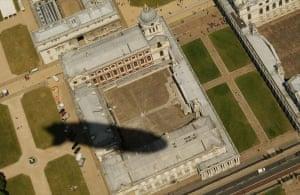
Take to the skies as twilight paints the historic canvas of London in a symphony of oranges and pinks. Our Sunset Flights offer a dazzling display of the city's landmarks, as the setting sun casts dramatic shadows and bathes the metropolis in a warm glow. With panoramic windows designed to afford the best views, passengers can witness iconic sights such as The Shard, The London Eye, and the winding Thames River in a completely new light.
The changing hues of the skyline set against the early evening stars create an unforgettable visual experience, and make for perfect photo opportunities. This serene journey is further enhanced with a glass of chilled champagne, creating an atmosphere of luxury and tranquility as you glide gently over the cityscape.
VIP Experiences and Private Charters
For those seeking a bespoke airship adventure, private charters present the pinnacle of exclusivity and customization. Escape the bounds of standard sightseeing routines and plunge into an elite journey tailored to your personal preferences. Whether it's for a romantic flight for two, a corporate event, or a family celebration, our VIP airship experiences are designed to deliver discretion, luxury, and utmost comfort.
From the moment you step onboard, your experience is our priority; indulge in gourmet catering, sip on fine wines, or even host a sky-high board meeting — the sky is not the limit. Tailor every aspect of the flight, from the flight path to the duration, and enjoy the added benefits of privacy and intimacy that come with chartering your very own airship.
VIP Charter Inclusions | |
Feature | Description |
|---|---|
Custom Flight Path | Select your own route and sights |
Luxury Catering | Gourmet meals and fine beverages |
Exclusive Privacy | Enjoy a closed cabin for your group |
Dedicated Service | Attentive crew to meet your needs |
Flexible Timing | Pick your preferred takeoff and duration |
Follow our step-by-step guide to book your VIP airship experience:
Reach out to our VIP Coordinator with your desired date and number of passengers.
Discuss and determine your custom flight path and special requirements.
Finalize the details of your onboard amenities including dining and entertainment options.
Confirm your reservation with a private booking, secured with a deposit.
Receive your detailed itinerary with all the fine points of your personalized journey.
Arrive at the launch site and embark on your exclusive airship adventure.
Comparative Glance: Airship, Helicopter, and Balloon Tours

Why Choose an Airship over Other Aerial Options
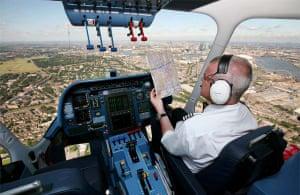
Airships, with their nostalgic silhouette, offer a travel experience that seamlessly combines comfort and panoramic views. Unlike helicopters, airships glide through the skies with a gentle ease, offering a serene journey with minimal vibration and noise. This makes them ideal for passengers who prefer a more relaxed ambiance to revel in aerial sightseeing. Additionally, airships often have spacious cabins with large windows, allowing for unobstructed views and the opportunity to capture stunning photographs from every angle.
Furthermore, airships can cover greater distances with the ability to hover over points of interest, a flexibility that fixed-wing aircraft cannot match. This characteristic also gives them an edge over balloons, which, while tranquil, are largely at the mercy of wind patterns and have limited control over their flight path.
Environmental Impact: A Greener Perspective on Sightseeing
The allure of airship tours extends beyond their majestic form; they also represent a cleaner alternative in the world of aerial tourism. The table below outlines the various environmental benefits of choosing an airship for your next sightseeing adventure compared to helicopters and balloons.
Feature | Airship | Helicopter | Balloon |
|---|---|---|---|
Fuel Efficiency | Higher | Lower | Variable |
Emissions | Lower | Higher | Lower |
Noise Pollution | Minimal | Significant | Minimal |
Wildlife Disturbance | Less Intrusive | More Intrusive | Less Intrusive |
Operational Altitude | Flexible | Varied | Dependent on Wind |
Top Tips for a Seamless Airship Sightseeing Experience
Navigating Weather Changes and Delays
To make the most of your airship adventure, it's critical to stay informed about the weather. Check forecasts regularly in the days leading up to your flight and be prepared for adjustments. Airships, due to their sensitivity to weather conditions, may experience delays or changes in scheduling.
If a delay occurs, use the time to visit nearby attractions or enjoy local cuisine. You could also bring a book or download movies on a tablet to pass the time. Communication is key, so make sure to provide your contact information to the airship company for real-time updates.
Maximizing Comfort During Your Flight
Comfort is paramount for an enjoyable airship sightseeing experience. Dress in layers to easily adapt to the changing temperatures at different altitudes. Lightweight, non-restrictive clothing is best to sit back and enjoy the panoramic views comfortably.
Here's a step-by-step guide to ensure comfort:
Pack Light: Bring only what you need: a camera, binoculars, and a small bag for personal items.
Ear Protection: Airships can be noisy, so consider bringing earplugs or noise-cancelling headphones.
Stay Hydrated: Carry a water bottle, and avoid alcohol before the flight to prevent dehydration.
Snacks: Have some light snacks on hand, especially if you're prone to motion sickness.
Motion Sickness Medication: Take preventative measures if you're susceptible to motion sickness. Over-the-counter options or prescribed patches can be very effective.
Lastly, to maximize your sightseeing experience, familiarize yourself with the airship's layout to ensure you know the best spots for viewing. The following table outlines the amenities you can expect on a typical airship flight:
Amenity | Details | Availability |
|---|---|---|
Observation Deck | Panoramic views | Most flights |
Seating Options | Window or aisle seating | All flights |
Refreshments | Complimentary snacks and beverages | Varies by flight |
Guided Tours | Expert commentary on the sights below | Select flights |
Safety and Regulations in Airship Travel
Understanding Air Traffic Control in a Crowded Sky
As airship travel garners popularity, the skies have indeed become more crowded, making the role of Air Traffic Control (ATC) ever so critical. ATC is responsible for managing the traffic in the skies, ensuring that airships maintain safe distances from each other. Operators must be well-versed in aviation laws, the dynamic weather patterns, and must continuously monitor air traffic to prevent any in-air collisions.
Each airship is required to follow a pre-determined flight plan, which is communicated to ATC before departure. Navigational aids and radar technology are employed to keep track of every airship in the sky. Also, pilots and ATC communicate regularly to provide real-time updates and instructions.
Ensuring Passenger Safety: Protocols and Measures
Passenger safety is paramount in airship travel. Airship operators are mandated to abide by strict protocols and measures designed to ensure the well-being of their passengers. This starts with routine inspection of the airships, covering their buoyancy systems, engines, navigation systems, and emergency equipment.
In-flight safety also hinges on the quality and frequency of training that the crew receives. Pilots and crew members undergo extensive emergency response training, preparing them to act swiftly and efficiently in case of any emergency situation.
Below is a table that outlines the standard safety measures and requirements for airship travel:
Safety Measure | Requirements | Frequency | Monitored by |
|---|---|---|---|
Airship Inspection | Pre-flight checks and maintenance | Before every flight | Maintenance Crew |
Emergency Drills | Fire, evacuation, and medical emergencies | Bi-annually for crew | Safety Officers |
Weather Assessments | Pre-flight and in-flight weather updates | Ongoing | Pilot and ATC |
Communication Checks | Routine checks of comms systems | Before every flight and during | Pilot and Co-Pilot |
Passenger Safety Briefings | Instructions on emergency protocols | Before takeoff | Cabin Crew |
Additionally, advances in technology have seen the introduction of automated systems designed to monitor the integrity of the airship in flight, alerting the crew to any potential issues. Passengers are also provided with safety briefings which detail the use of safety belts, emergency exits, and life vests among other safety features.
Finally, international and local aviation bodies rigorously enforce regulations and standards for airship travel. These agencies conduct periodic audits and checks to ensure compliance with the latest safety protocols. Thus, passengers can embark on their skyward journey knowing that a comprehensive framework dedicated to their safety is actively in force.
Conclusion: The Future of Airship Tourism
What's on the Horizon for Aerial Exploration
As we look towards the skies, the future of airship tourism is ascending to new heights. Technological advances in propulsion systems and lightweight materials promise a new era of air travel. Engineers and visionaries are designing airships that are not only eco-friendly but also offer amenities that rival luxury hotels. The allure of silent, serene flights with panoramic views is driving the renaissance of this historic mode of travel. Companies have their sights set on providing tours over awe-inspiring landscapes, such as the Amazon rainforest, the North Pole, and the African Savanna, redefining long-haul journeys with grace and elegance.
One of the key developments to watch is the introduction of solar-powered airships, harnessing renewable energy for a truly sustainable travel experience. Passengers can expect not just a trip, but a journey that harmoniously glides over delicate ecosystems without leaving a carbon footprint. This innovation ushers in a new chapter of responsible exploration, where the journey itself becomes a testament to human ingenuity in achieving harmony with nature.
Leaving a Legacy: The Cultural Impact of Airship Tours
The reintroduction of airships is more than just a novelty; it is set to leave a profound cultural impact. As a throwback to an age of romanticized travel, airship tours evoke a nostalgia for the grandeur of yesteryear combined with the comforts of modernity. They inspire a deeper appreciation for the planet, offering a slower-paced travel alternative that allows for contemplation and connection.
As airship tours become embedded in global tourism, they create a unique cultural footprint. The shared experiences of passengers form a collective narrative, enriched by stories of skies traversed and horizons widened. Destinations once inaccessible except to the most intrepid adventurers are now within reach, bridging cultures and fostering mutual understanding in a setting of unrivaled tranquility.
Beyond the individual, communities beneath these gentle giants of the sky also stand to benefit. Airship tourism can bring sustainable economic opportunities with minimal environmental disruption, supporting conservation efforts and local heritage. This table outlines the expected cultural and economic benefits, illustrating the broad impact of this aerial evolution:
Benefit Type | Details | Examples |
|---|---|---|
Economic Growth | New opportunities for local businesses and tourism providers | Eco-lodges, local artisan markets |
Educational Outreach | Promoting understanding of local history and ecology | Interactive tours, information centers |
Environmental Awareness | Encouraging conservation through immersive nature experiences | Partnerships with environmental NGOs |
Cultural Exchange | Exploring and celebrating diverse cultural heritages | Cultural festivals, exhibitions onboard |